
After the Incident: Turning Radio Evidence into Real-time Operational Intelligence
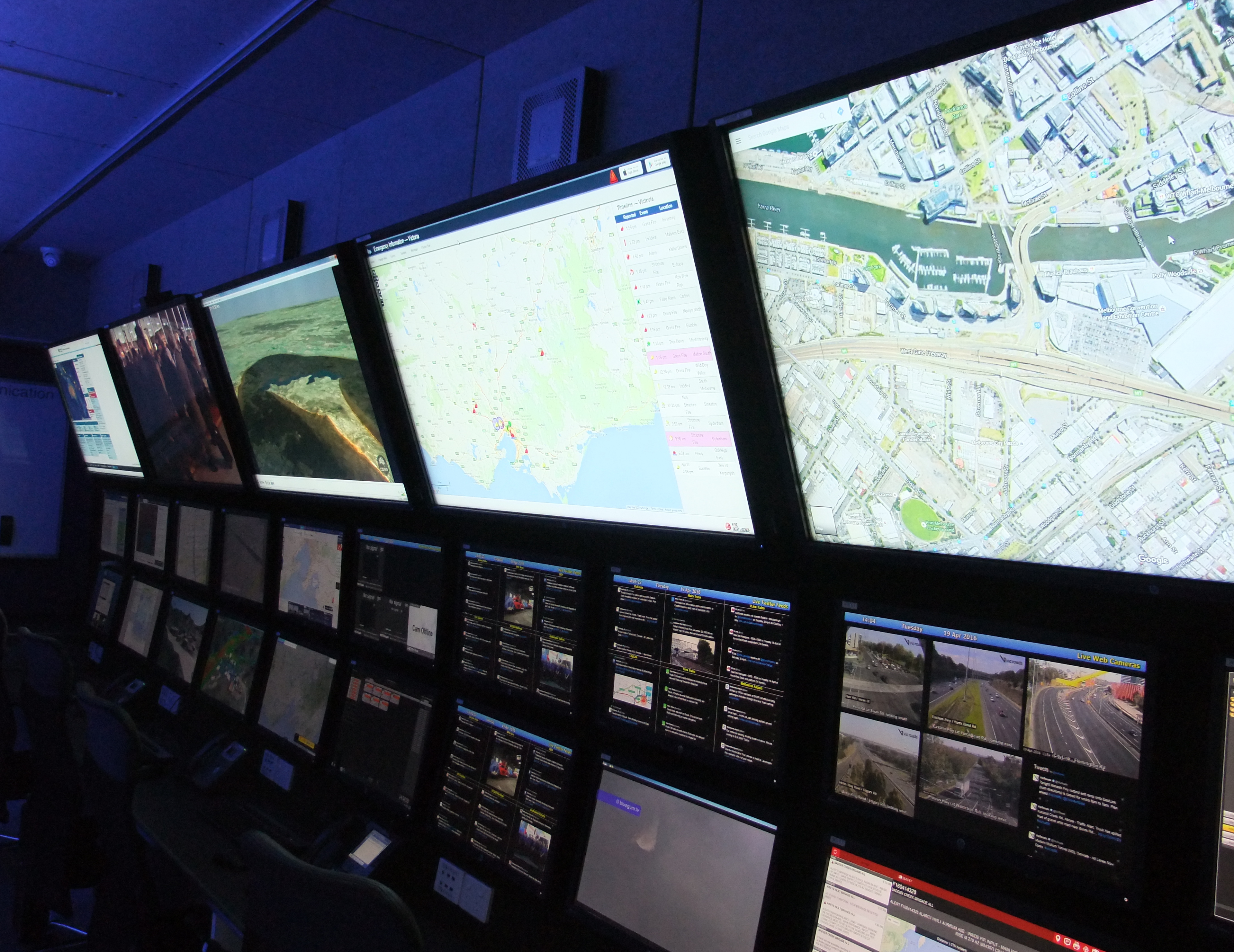
When a major incident occurs, everyone wants answers. Operations teams need to understand what happened, leadership needs confidence in network performance, and governance groups require objective evidence to support post-incident reviews.
In a modern trunked radio environment, the challenge is rarely a lack of data. The challenge is turning millions of system events, affiliations, calls, and utilization records into actionable intelligence. The most effective approach combines automated monitoring, near real-time analytics, and forensic investigation capabilities to provide both immediate situational awareness and defensible post-incident evidence.
Start with the Evidence
After the incident, everyone wants the radio evidence.
Following any significant event, questions emerge quickly:
- Did the network perform as expected?
- Were any sites congested?
- Did users experience busy conditions?
- Which resources were most heavily utilized?
- Were there any system anomalies that contributed to the incident?
A trunked radio network generates a detailed digital record of operational activity. Every call, affiliation, utilization change, busy event, and infrastructure event contributes to a timeline of what occurred.
Rather than waiting days for manual analysis, organizations should be able to immediately access the evidence needed to understand network behaviour and support operational decision-making.
Bring all the Relevant Data into a Single Operational View
Activity, utilization, busies, affiliations, and system events are pulled into one 'analytics' view.
Effective incident investigation begins by consolidating data from multiple sources into a unified analytics environment.
Key data sources include:
- Radio activity metrics
- Site and channel utilization
- Busy and denial events
- Radio and talkgroup affiliations
- Infrastructure alarms and system events
- Coverage and site performance indicators
When these datasets are correlated automatically, analysts gain a complete picture of network activity without manually exporting, matching, and reconciling reports from multiple systems.
The result is a single source of truth that can support both operational monitoring and post-incident investigation.
Detect Issues as They Happen
Automated monitoring identifies potential incidents before the reports begin.
Traditional reporting often starts after an event has occurred. Modern critical communications environments require visibility while the event is unfolding.
Automated analytics can continuously monitor:
- Utilization thresholds
- Busy event spikes
- Site loading patterns
- Traffic anomalies
- Affiliation surges
- Infrastructure alarms
When predefined thresholds are exceeded, the system can automatically generate alerts, flag abnormal trends, and preserve relevant event data for investigation.
Instead of discovering issues after an incident review, operations teams gain the ability to identify and respond to emerging network stresses in near real-time.
Conduct Forensic Reviews Using Automated Data Slices
Investigate any event with near real-time forensic analysis.
One of the most powerful capabilities in incident management is the ability to automatically create forensic "data slices" around significant events.
When an incident occurs, the platform can capture and preserve a defined window of data, for example:
- 30 minutes before the event
- The duration of the incident
- 30 minutes after operational recovery
These automated investigation packages can include:
- Activity trends
- Utilization statistics
- Busy event analysis
- Talkgroup activity
- Affiliation changes
- Site performance metrics
- System-generated event markers
Rather than searching through hours or days of historical data, analysts can immediately focus on the exact operational period that matters.
This significantly reduces investigation time while improving consistency, accuracy, and evidentiary integrity.
Give Operations Teams the Full Picture
Radio teams see what happened without manually stitching reports together.
Operations personnel require context, not just data.
A unified operational dashboard allows teams to view:
- Activity trend lines
- Site and channel utilization
- Busy event counts
- System events
- Incident markers
- Automated anomaly detection indicators
By aligning all metrics against a common timeline, teams can quickly understand:
- When demand increased
- Where congestion occurred
- Which resources were affected
- How the network responded
- Whether service levels were maintained
The entire investigative workflow becomes faster, more repeatable, and less dependent on specialist knowledge.
Deliver the Right Evidence to the Right Stakeholders
Each agency or governance group gets the evidence it needs.
Different stakeholders require different levels of detail.
Operational teams may need minute-by-minute analysis, while executive leaders may only require summary findings and service impacts.
Automated reporting enables:
- Agency-specific reporting views
- Governance dashboards
- Executive summaries
- Incident evidence packages
- Utilization and performance reviews
- Regulatory and compliance reporting
Because all reports are generated from the same underlying dataset, organizations can ensure consistency, transparency, and confidence across every audience.
Move from Reactive Reporting to Continuous Intelligence
VUpt: Real-time Monitoring, Automated Analytics, and Incident Forensics for Critical Communications.
The most mature critical communications organizations no longer treat incident investigation as a manual process performed after the event.
By combining:
- Real-time monitoring
- Automated threshold detection
- Continuous analytics
- Near real-time forensic data capture
- Stakeholder-specific reporting
they create an environment where evidence is available when it is needed, not days later.
VUpt enables organizations to monitor, analyze, and understand trunked radio network performance as events unfold, while automatically preserving forensic evidence for rapid post-incident review.
The result is faster investigations, more informed operational decisions, improved governance, and greater confidence in the performance of mission-critical communications systems.
Book a 15-Minute Workflow Review
Discover how VUpt helps critical communications teams automate incident detection, capture forensic evidence in near real-time, and transform complex trunked radio network data into actionable operational intelligence.
Start with the Evidence
Bring All Data into a Single Operational View
Detect Issues as They Happen
Conduct Forensic Reviews Using Automated Data Slices
Give Operations Teams the Full Picture
Deliver the Right Evidence to the Right Stakeholders
Move from Reactive Reporting to Continuous Intelligence
See your world, from our Viewpoint.

