
Using Forensic Analysis to generate Operational Excellence in Critical Communications Networks
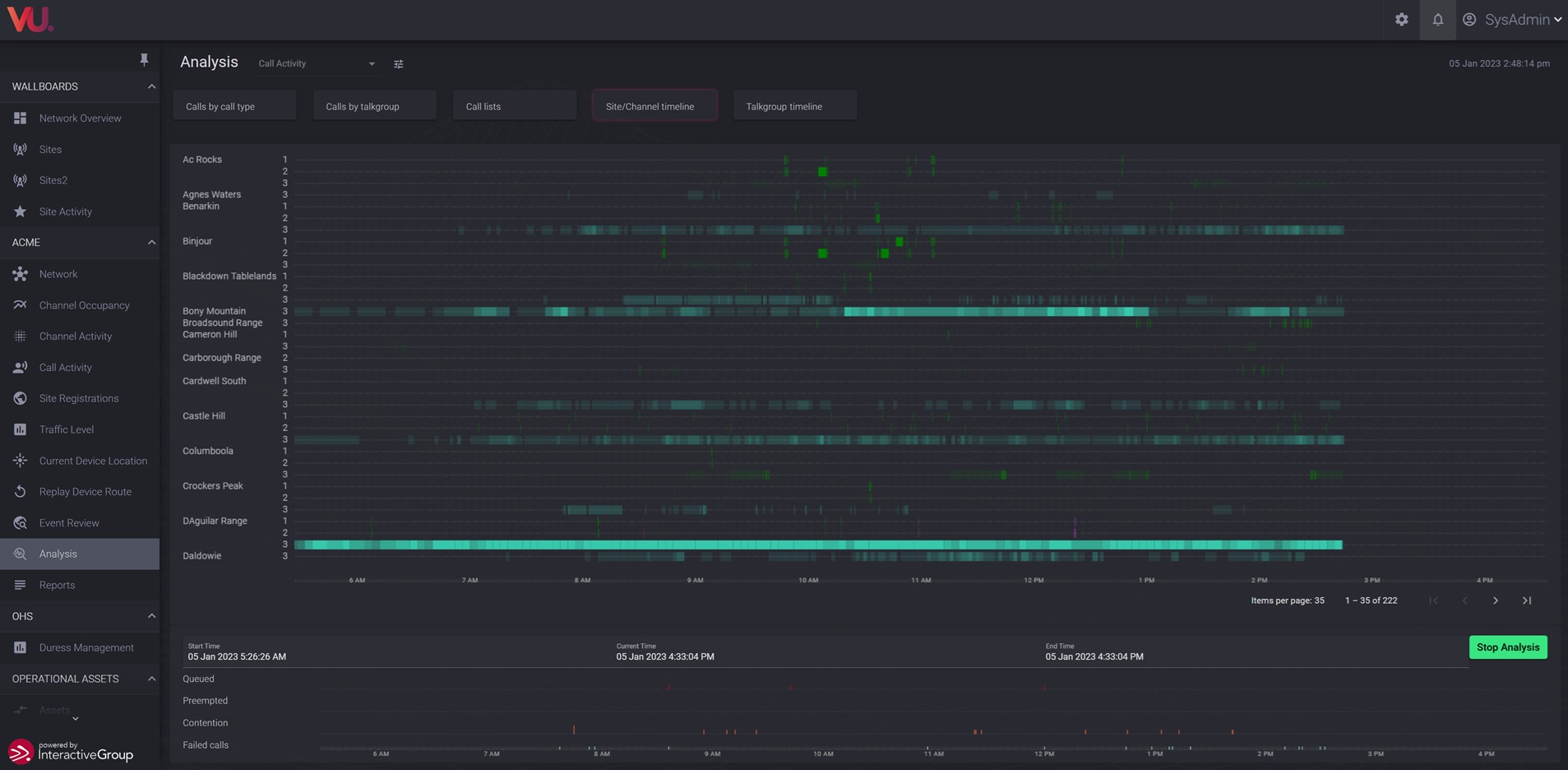
Automated Forensic Analysis - the Missing Element
Introduction
There’s real-time data visualisation and there’s traditional reporting capabilities, but what if you could select a ‘slice’ of data on which to perform a deep dive into cause-and-effect situations?
In the dynamic landscape of critical communications networks, most systems are either near real-time, or provide reporting (or log style) outputs, well after the fact. VUpt forensic data analysis fills the gap between real-time and reporting style information, which has long been the missing piece of the puzzle.
How do I use Forensic Analysis?
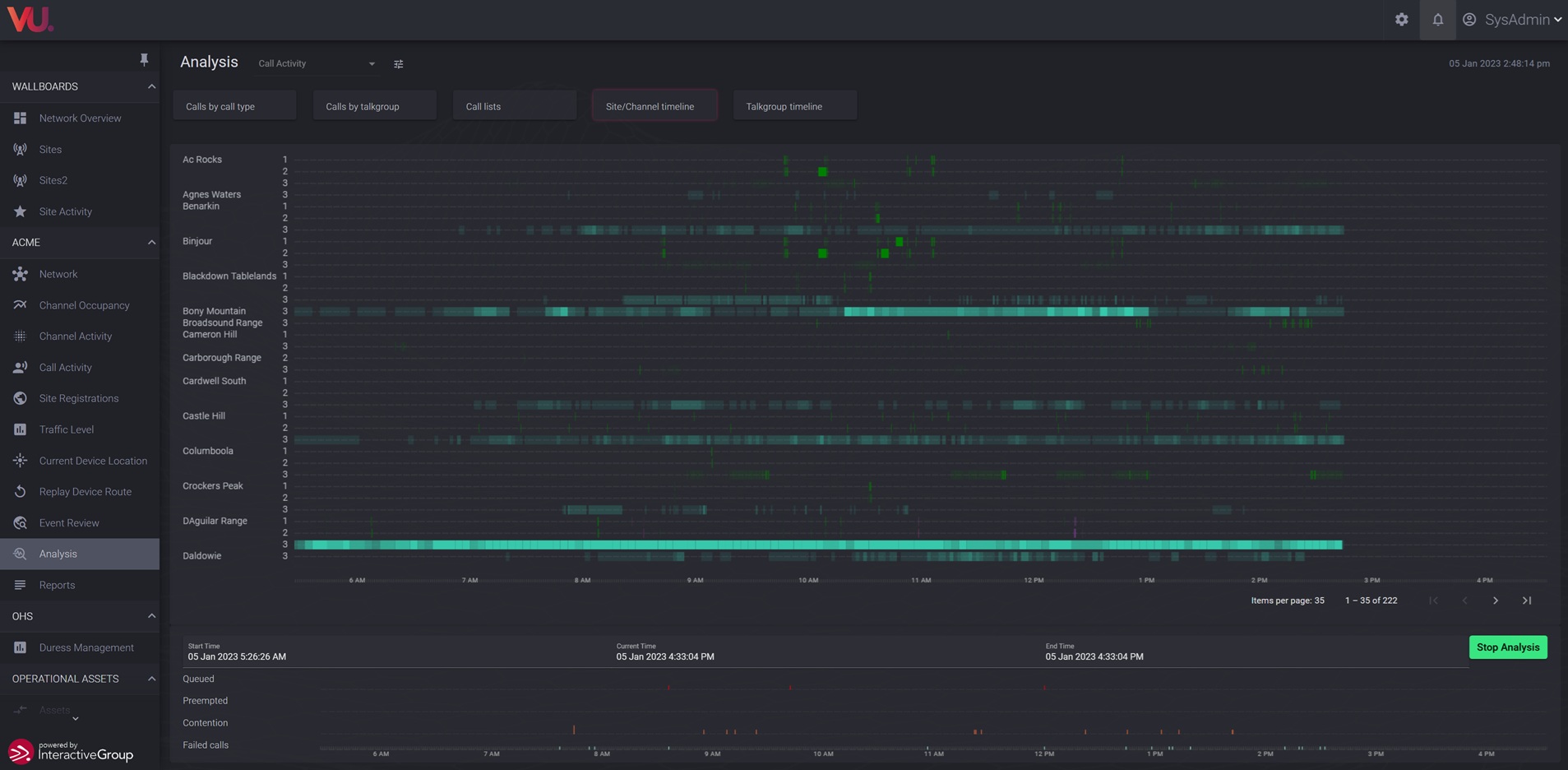
Real-time monitoring and alerting can focus you on a ‘time-slice’ containing issues that need to be reviewed and acted upon. VUpt provides the mechanism by which an organization can harness pin-point analysis to enhance their network efficiency. By selecting a 'time-slice' around a reported issue, you can eliminate unncessarily large data-sets to be analysed. VUpt automates the selection of pin-point problem areas for analysis.
You can, of course, always select a larger chunk of data (up to 24 hours) to be made available for deep-dive analytics, including the following currently available techniques.
What can I analyse?
Incident Identification & Reconstruction:
- Reassemble communication sessions to trace the flow of data and detect patterns.
- Data Capture: Collect and preserve relevant network data during incidents or anomalie
- Timeline Reconstruction: Create a chronological sequence of events to understand the attack or disruption
Real-Time Monitoring, Visualization & Traffic Pattern Analysis:
VUpt provides advanced monitoring tools to provide real-time insights into network health, traffic patterns, and anomalies.
Visualize Trends:
Use dashboards and visualizations to track key performance indicators (KPIs) such as latency, throughput, and error rates, including:
- Heatmaps: Overlay network traffic data on geographical maps to identify hotspots or congestion areas.
- Time-Series Graphs: Plot KPIs (latency, throughput) over time to detect trends or anomalies.
- Automated Alerts: Set up alerts to detect deviations from normal behaviour.
Predictive Maintenance
- Develop predictive models based on historical data to anticipate equipment failures.
- Component-Specific Predictions: Estimate when specific components might fail, allowing proactive maintenance.
- Review of Alerts: Regular review of alerts to detect deviation trends from normal network behaviour.
Optimized Resource Allocation
- Dynamic Load Balancing: Allocate resources dynamically based on real-time demand and network conditions.
- Traffic Prioritization: Prioritize critical traffic (e.g., emergency calls) over non-critical data.
Operational Decision Support
- Root Cause Analysis: Investigate incidents promptly by analysing real-time data to identify the root cause.
- Scenario Simulation: Simulate network scenarios to evaluate the impact of changes before implementation.
Continuous Improvement
- Feedback Loop: Use real-time insights to refine network design, policies, and procedures.
- Benchmarking: Compare performance against industry standards and best practices.
- Post-Incident Remediation.
- Mitigation Strategies: Implement corrective actions based on findings.
Conclusion
Remember, forensic analysis isn’t just about solving mysteries—it’s about preventing future incidents, improving network resilience, and safe-guarding critical operations.
Forensic analysis provides the missing link in your critical comms tool-kit, and by embracing these practices, organizations can fortify their communication networks against network disruptions and maintain business continuity.
Introduction
How do I use Forensic Analysis?
What can I analyse?
Conclusion
See your world, from our Viewpoint.

